Detailing Workflow
A methodical approach to vehicle inspection, preparation, and enhancement.
1. Inspection & Assessment
Before any significant detailing work begins, an inspection is required. This involves assessing the paint condition under specialized lighting, checking for previous repairs, and measuring paint thickness. This allows us to set realistic expectations for what can be achieved.
2. Thorough Preparation
Following a meticulous safe wash, the vehicle undergoes chemical decontamination. Iron fallout removers dissolve brake dust particles embedded in the clear coat, while tar removers break down sticky road deposits common on lower panels.
3. Physical Decontamination
If polishing is required, a clay bar treatment is performed to mechanically shear away remaining bonded contaminants. This leaves the paint feeling smooth to the touch, providing a clean surface for enhancement.
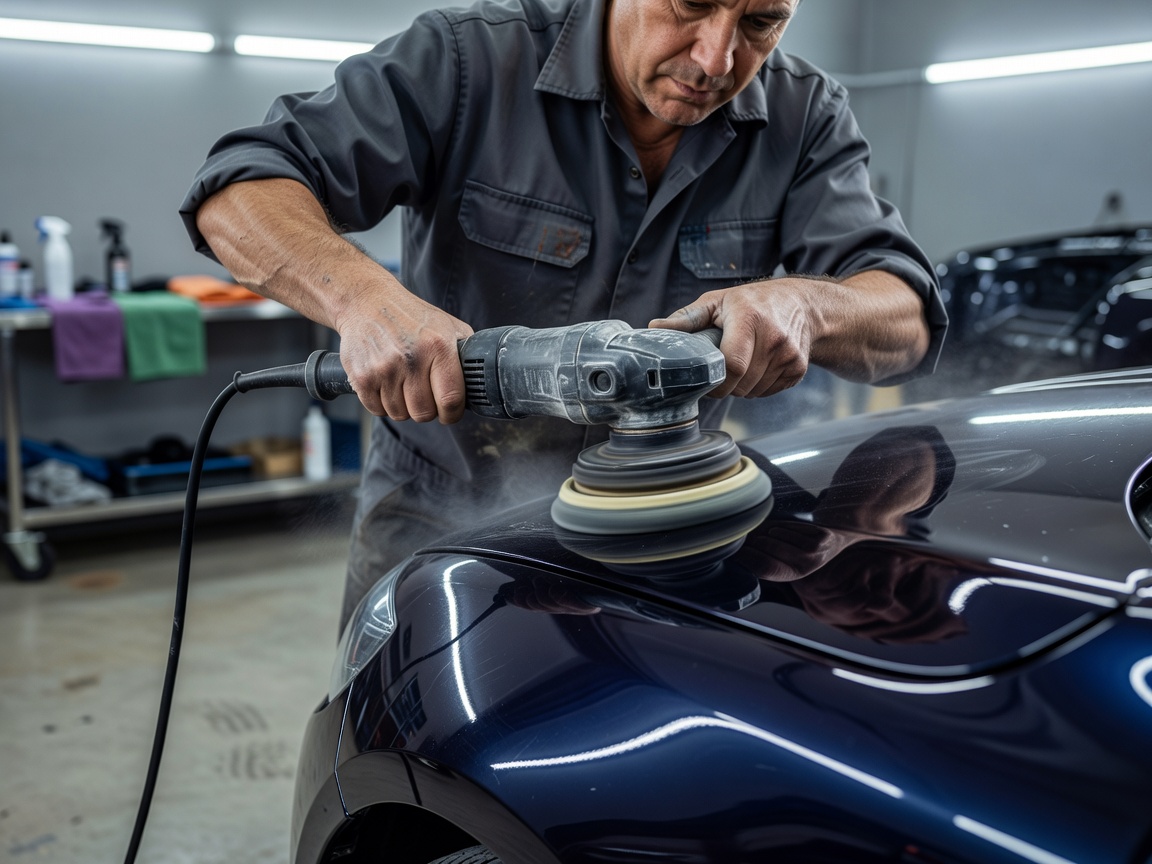
4. Machine Polishing
Depending on the vehicle's condition, optional machine polishing can be discussed. This stage aims to reduce the visibility of swirl marks and light wash marring, which may improve overall gloss. Note: Perfect correction is rarely achievable on daily-driven vehicles.
Protection & Aftercare
Once the paintwork has been prepared and enhanced, applying a protective layer is crucial. Choices range from traditional carnauba waxes to synthetic polymer sealants and advanced ceramic coatings.
The final stage of the nuroxecho detailing workflow is comprehensive aftercare advice. We provide guidance on how to safely wash and maintain the vehicle moving forward, helping to preserve the results for as long as possible under normal UK driving conditions.
Enquire about detailing